
What are the purposes of OCV1, OCV2, OCV3, and OCV4 in lithium battery production?
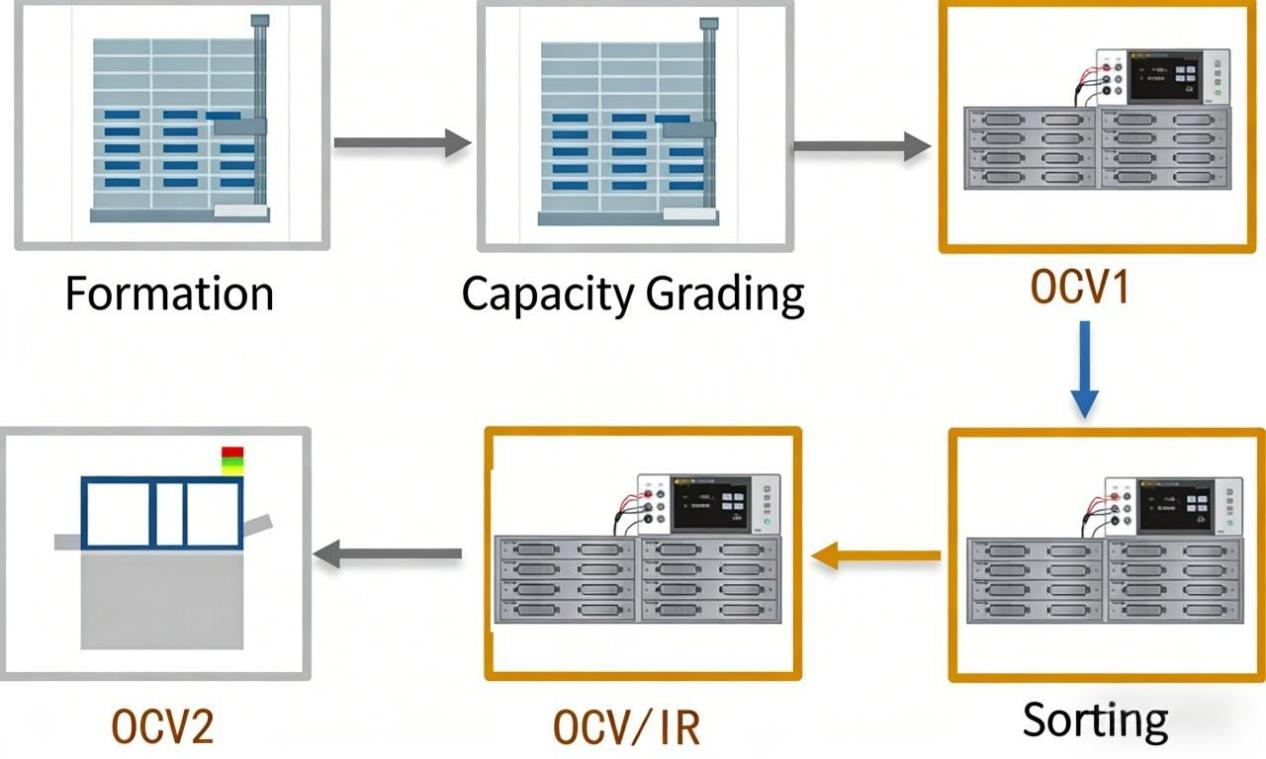
In the lithium battery production process, voltage parameter detection at each stage concerns product qualification rate and safety performance. The following will analyze the application of OCV in each link of the production process.
OCV1 (Initial Open-Circuit Voltage Measurement): The first open-circuit voltage measurement after the electrode assembly is formed into a cell, before electrolyte injection. It is necessary to verify whether the electrode state causes self-discharge. A large voltage drop may indicate a hard short circuit due to internal particles piercing the separator. In actual case operations, it was found that the measured values of a certain batch were generally about 0.18V lower than the normal voltage. Tracing the cause revealed that dust uncontrolled during the anode coating process created holes in the separator.
OCV2 (Post-Inject & Seal Voltage Measurement): The second test required after completing the cell electrolyte injection and sealing processes. After normal electrolyte soaking for 24 hours, the cell voltage reaches a stable range. Production line cases show that cells whose voltage continuously remains below the upper limit by 5% are found, upon disassembly, to have misaligned tab welds leading to a lack of effective contact area. Such problems must be eliminated to prevent yield loss. Particular attention must be paid to controlling the measurement time error after two hours of static placement in a constant humidity environment.
OCV3 (In-Process OCV Monitoring during Formation): OCV3 monitoring during the key formation process has unique significance. In the later stages of SEI film formation, the cell will undergo 12 hours of charge-discharge pulse treatment. In a case at the fifth station, a cell that had undergone six charge-discharge cycles maintained a voltage fluctuation within a range of 1mV. Detection revealed that the film resistance was uneven due to temperature deviations during the conductive agent slurry stirring. Here, a voltage meter with a precision requirement as high as ±0.01V is needed.
OCV4 (Final OCV for Self-Discharge Analysis): OCV4 at the final inspection stage focuses on self-discharge quantification analysis. Conventionally, after cell activation, it is placed in an environmental chamber at 23℃±0.5℃ for 24 hours, and the voltage difference is recorded. Factory test data show that batches with voltage changes exceeding 8mV are eliminated. Tracing the cause revealed that burrs on the edges of the current collectors were not completely processed by laser treatment, leading to hidden lithium plating shorts. Experience shows that this process can provide a predictive benchmark for cycle efficiency after three months of warehouse storage.
OCV Test Parameters
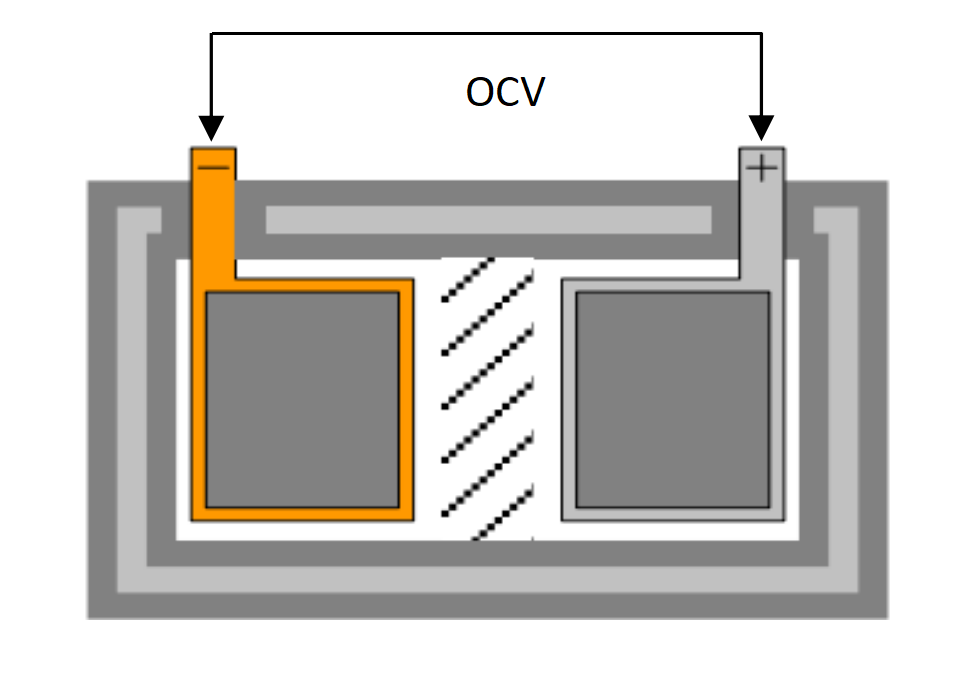
a.Positive and Negative Electrode Potential Test
This test primarily monitors for poor insulation between the positive and negative electrodes.
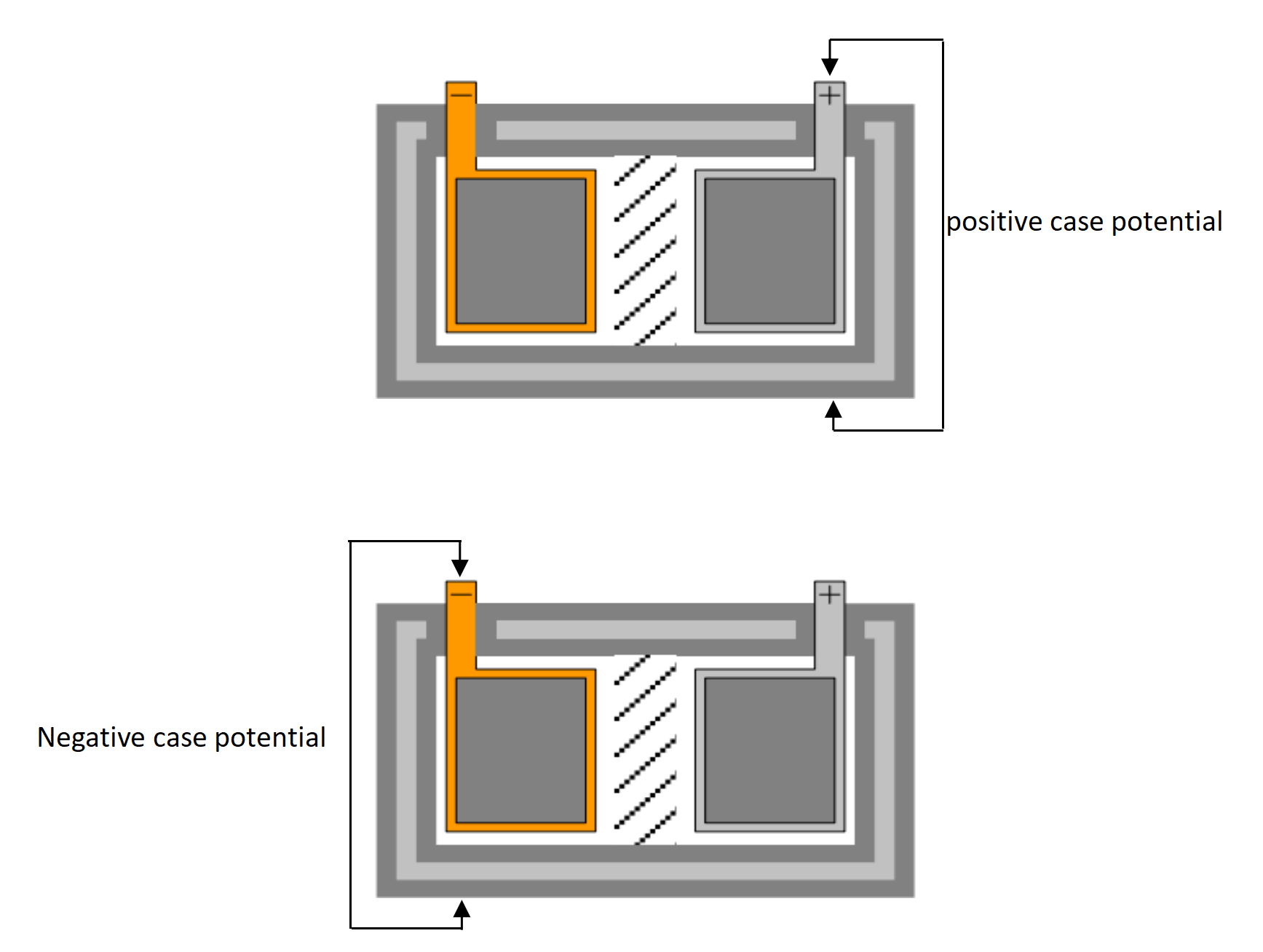
b. External Case Potential Test
This test primarily measures the voltage between the battery’s negative electrode and the external case (negative case potential), as well as between the battery’s positive electrode and the external case (positive case potential). Generally, if the observed voltage values are close to 0 V, the battery is considered a good product.
2. Main Detection Methods in the Market
Currently, manufacturers/integrators typically use IR device or 3 DMMs to complete the above detection. This solution is challenging, costly, and occupies a large area on the production line.
3. Smartgiant OCV Test Solution
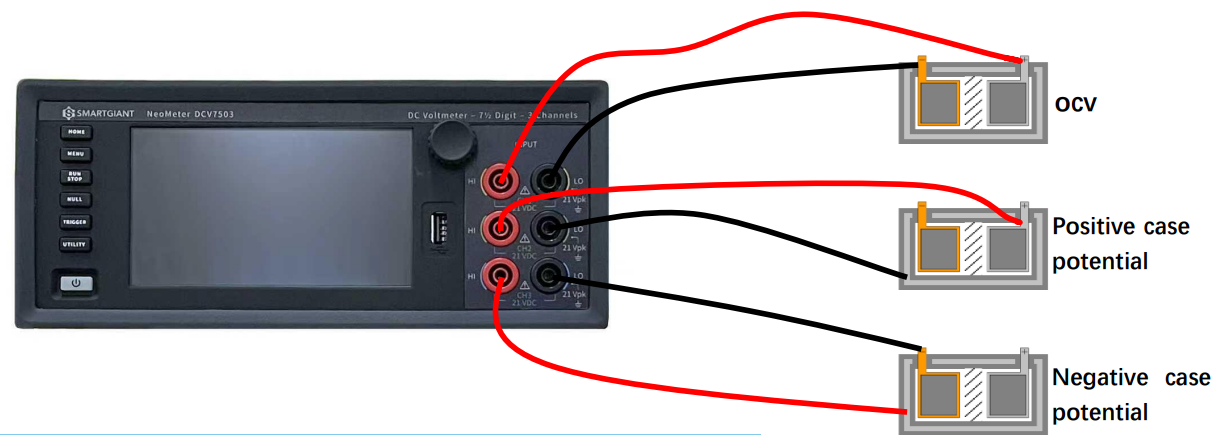
- 3-Channel Synchronized Voltage Signal Detection: Uses 1 DCV7503 toreplace 3 DMMs, synchronized detection of 3 voltage signals. ensures 3 channel OCVs testing are Isolation, positive case potential, and negative case potential measurements are independent and do not affect each other. Synchronization can significantly shorten test time, improve production line throughput, and capture all parameters at the same time, more truly reflecting the cell’s state.
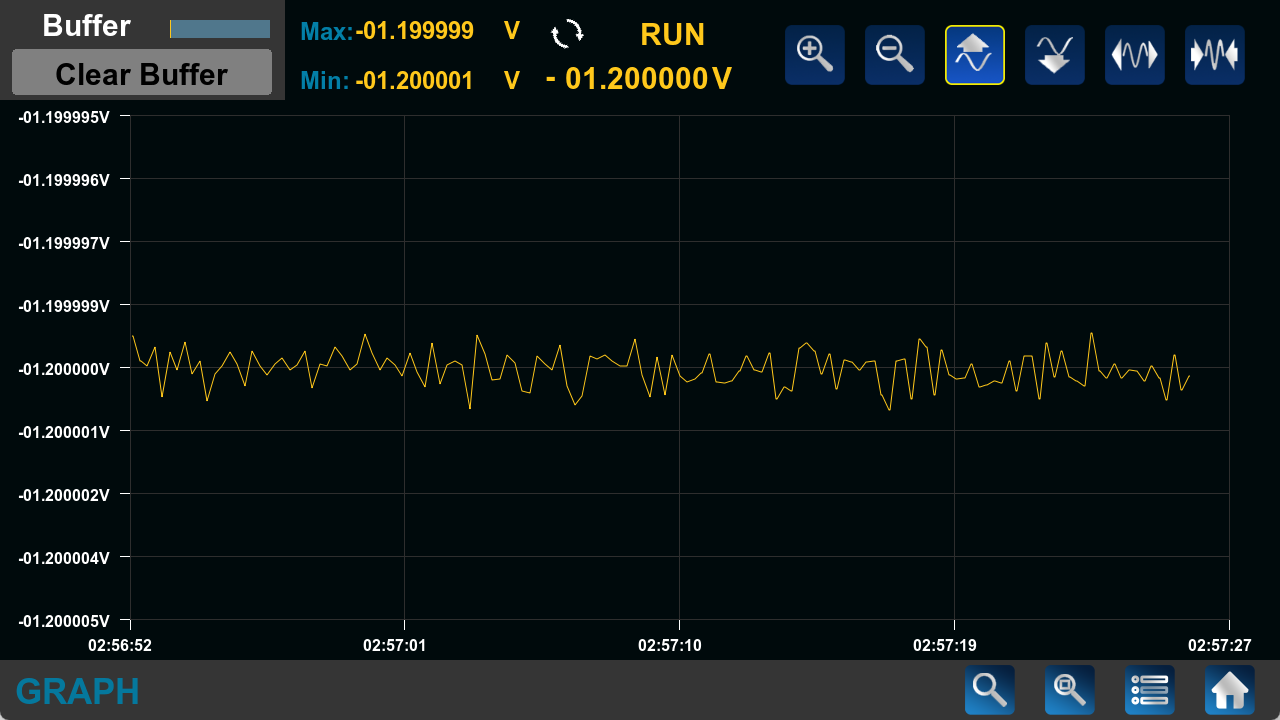
- High-Precision DC Voltage Test: Configures a 20V range with 71/2DC voltage acquisition, and precision of 18ppm*RD ± 20μV. Temperature is also used to calibrate voltage measurement. Temperature changes will not affect the accuracy of DC voltage testing. High-precision measurement ensures accurate cell sorting, grouping cells with highly consistent performance into the same module, thus ensuring consistency and improving module performance and lifespan.
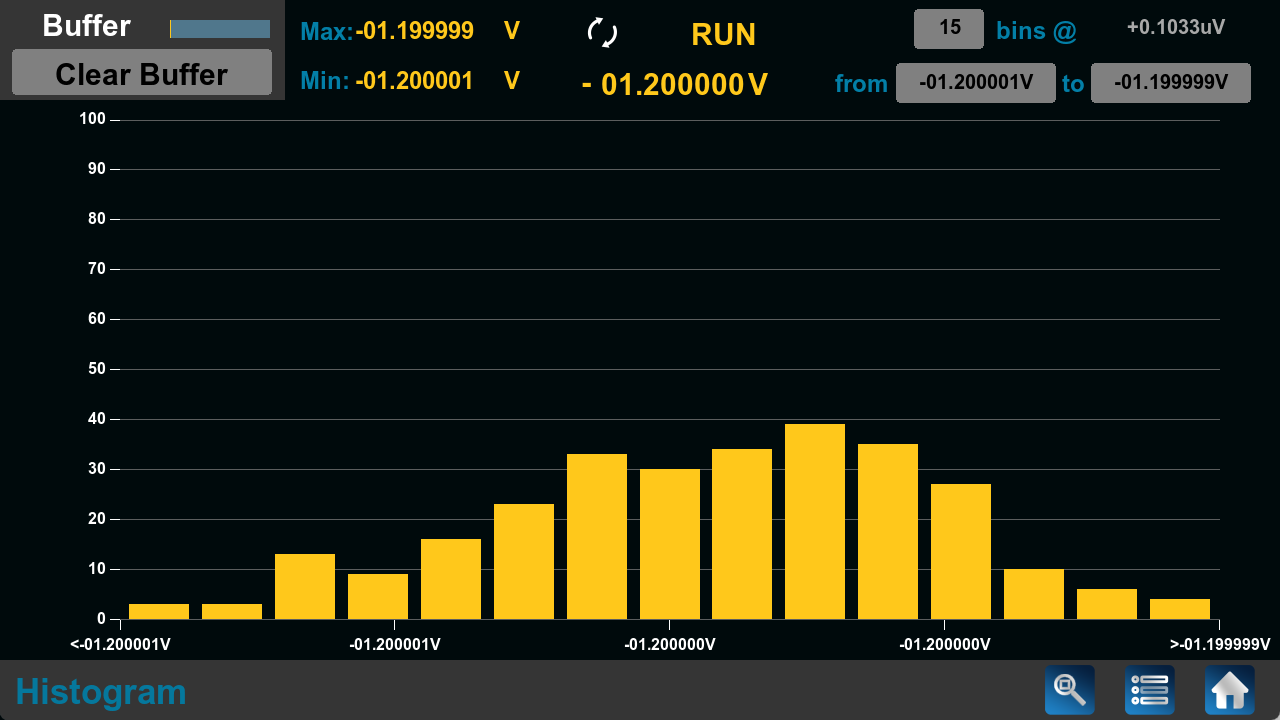
- High-Speed DC Voltage Measurement and Value Storage: The DCV7503’s fastest measurement speed is 0.1ms (0.005NPLC), allowing millisecond-level sampling and continuous recording for 1 minute, which is conducive to capturing the full range of instantaneous DC voltage fluctuations.
- Programmable Command (SCPI) : enterprises have fully entered the era of intelligent manufacturing.The DCV7503 is equipped with USB+LAN+RS232C interface and provides SCPI instruction set, allowing users to configure automatic fixtures to achieve automated testing.