
Current Status and Pain Points in the Biomedical Equipment Industry
The global biomedical instrument market has surpassed $850 billion in size, with a compound annual growth rate (CAGR) of 8.5%, maintaining a robust and high-speed growth trajectory across the industry. High-end segments such as molecular diagnostics, microfluidic systems, and high-throughput biological testing have emerged as key drivers for market expansion and technological advancement. However, three major challenges persist in the clinical application of biomedical equipment across scenarios including diagnostic treatment, scientific research, primary healthcare, and home health monitoring.
1.High precision measurement requirements are essential, with bioassays demanding extremely precise signal accuracy. For instance, protein detection necessitates accurate capture of weak physiological electrical signals at the μV level, while microbial mass spectrometers require a resolution of 0.01% for gene mutation detection. High precision has become the core foundation for equipment applications, and conventional manufacturers struggle to achieve such high signal acquisition accuracy.
2.Lack of experience in system integration often leads to challenges for general manufacturers, such as difficulties in software-hardware coordination due to multi-application integration, and fragmented development of sensors, signal conditioning circuits, embedded algorithms, and medical knowledge.
3.Customization technology is complex. Currently, the biomedical equipment market exhibits intense competition in niche segments, with growing demand for customization. This has led to increasingly sophisticated technical requirements, making it challenging for conventional manufacturers to encompass technologies ranging from signal acquisition and control to processing.
Guangzhou Smartgaint Technology, leveraging over a decade of technical expertise in signal measurement and control, focuses on three core capabilities: high-precision data acquisition, multi-protocol real-time communication, and edge intelligent processing. As a provider of high-precision customized integration services, it enables original manufacturers of biomedical equipment to overcome challenges in signal measurement and control as well as system integration. This allows OEMs to concentrate on technological development and innovation, accelerating the transition from laboratory prototypes to clinical products.
Smartgaint Technology Core Solution for Signal Measurement and Control
Guangzhou Smartgaint Technology centers on the “controller + modular instruments” architecture and leverages its integrated electronic hardware and software design capabilities to provide customized solutions for biomedical equipment. Its core strengths are concentrated in signal acquisition and processing, as well as measurement and control domains.
1.Technological Breakthroughs in Signal Acquisition and Processing
Leveraging the underlying architecture of ARM+FPGA, the digital sampling module developed by Synopsys achieves a maximum sampling rate of 125 MSPS and high-resolution 24-bit ADC, enabling precise capture of weak signals and transient changes in biomedical devices. Through AFE signal conditioning technology and channel isolation design, electromagnetic interference and noise are effectively suppressed, resulting in a signal-to-noise ratio improvement of over 30 dB, meeting high-precision data acquisition requirements for applications such as protein detection and mass spectrometry analysis. Paired with the self-developed Archon test system management software, real-time data visualization, customized report generation, and abnormal signal capture are enabled, forming a closed-loop system of “collection-processing-analysis”.
2.Integrated Advantages of Telemetry and Control Systems
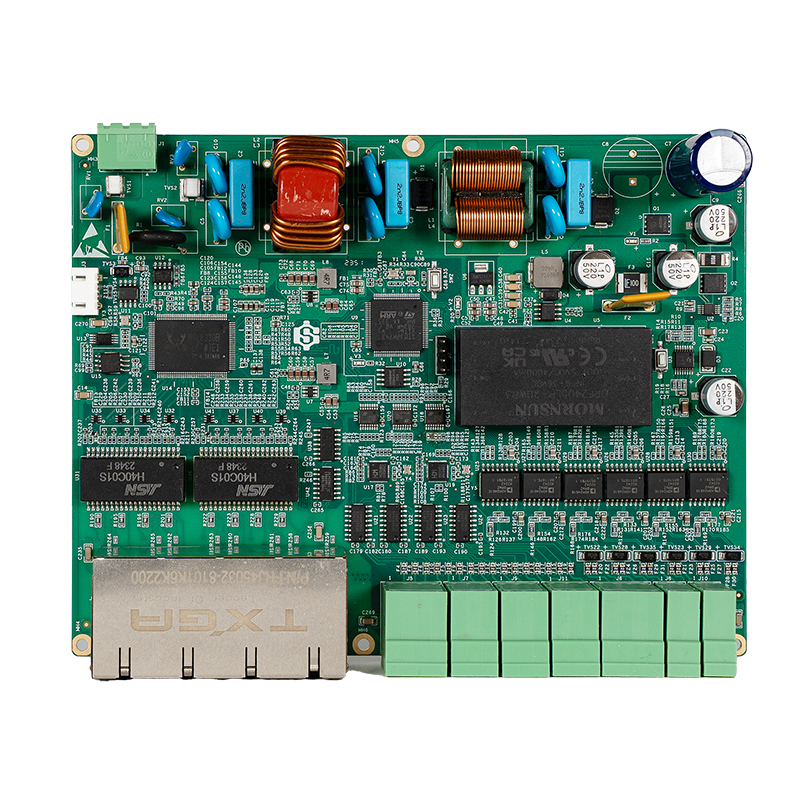
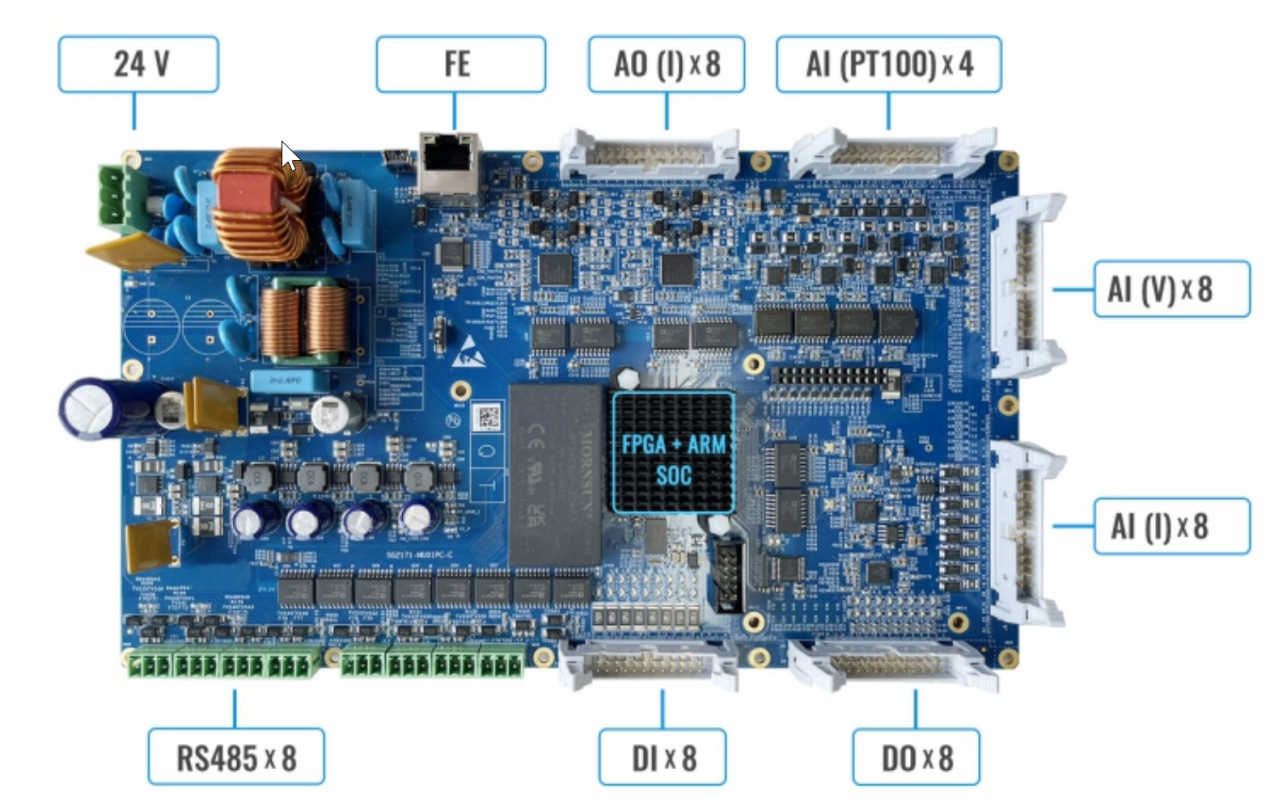
The SG2171 measurement and control board adopts an industrial-grade standard design, integrating 44-channel I/O resources and 8 RS485 communication interfaces with Modbus protocol support. A single motherboard replaces traditional multi-module configurations, significantly reducing equipment complexity and power consumption. This solution offers customizable hardware interfaces and channel counts, enabling flexible adaptation to diverse biomedical device measurement requirements. Featuring rapid response and robust stability, it has obtained IEC standard certification, meeting stringent medical device reliability requirements.
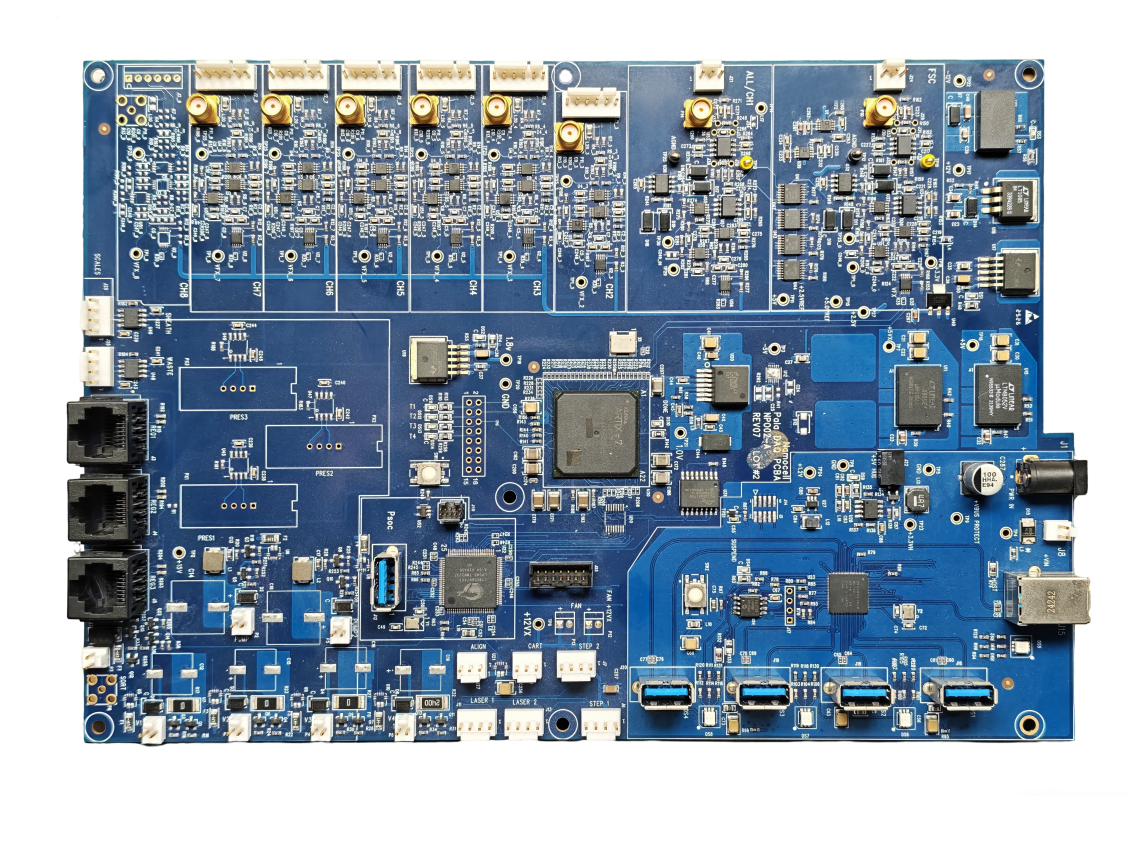
The protein analysis measurement board is specifically designed for the detection of weak signals, such as the precise acquisition of data from faint currents generated by protein reactions. It performs unified processing, data transmission, and feedback of the collected weak signals, thereby meeting various protein data acquisition scenarios.
Introduction to Four Major Application Cases
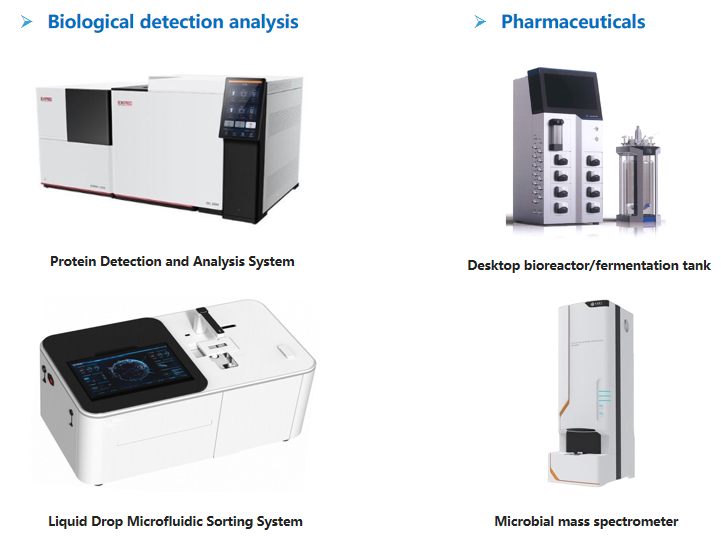
The following four application cases represent successful implementation projects in the biomedical field by Smartgaint Biotechnology:
Protein Detection and Analysis System: Utilizing high-resolution signal acquisition modules and low-noise conditioning technology, it accurately extracts characteristic signals in protein detection. Combined with software algorithms, it enables simultaneous multi-parameter analysis, with detection errors controlled within 0.1mV.
Liquid Droplet Microfluidic Sorting System: Designed for high-throughput single-cell sorting requirements, it provides a multi-channel synchronous measurement and control solution, enabling precise manipulation and signal feedback of surface-modified droplets. The sorting efficiency is 40% higher than traditional methods and has been applied in scenarios such as enzyme-directed evolution and microbial screening.
Microbial mass spectrometer: Through high-speed signal processing modules and spectral analysis algorithms, it rapidly interprets microbial mass spectrometric signals, reducing detection cycles to within 15 minutes while improving strain identification accuracy, thereby meeting the demands of clinical rapid diagnosis.
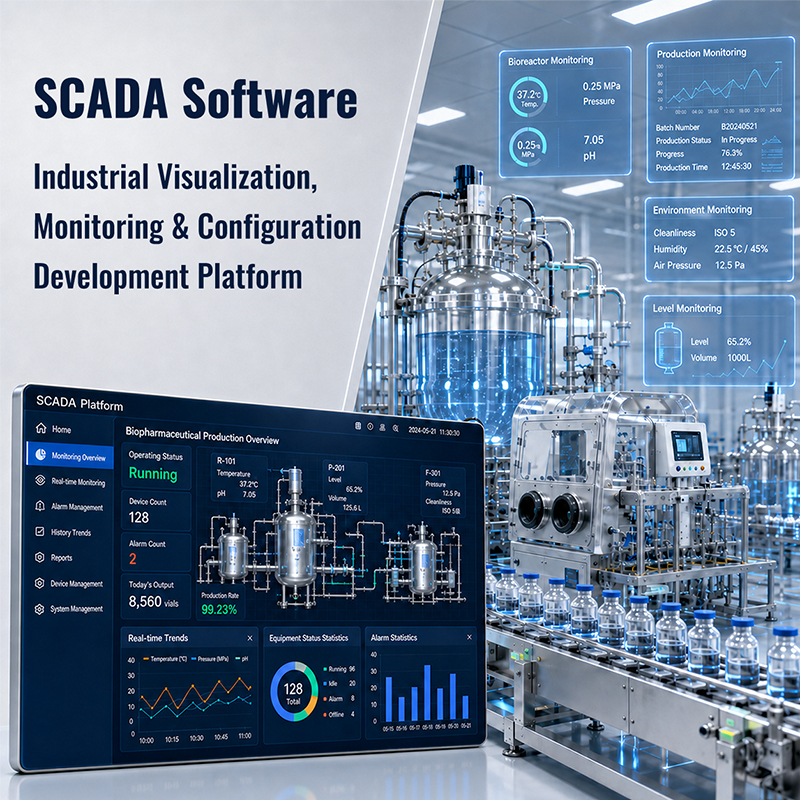
Bioreactor: By integrating the PAX industrial control system with the SG2171 measurement and control board, this solution replaces traditional PLC systems to achieve precise regulation of parameters such as temperature, pH value, and dissolved oxygen, reducing operational complexity by 50%.
It also supports touch operation and remote data transmission.
ollaboration Outlook
Smartgaint Technology will continue to prioritize modular architecture as its core focus, deepen technological iterations of the FPGA+ARM platform, and expand IP library resources in the biomedical field. Leveraging a service model combining “hardware customization + software collaboration,” the company provides end-to-end support for equipment manufacturers spanning from prototype development to mass production. For system engineers, flexible module combinations and secondary development interfaces are offered; for product managers, solutions help shorten R&D cycles and enhance product cost-effectiveness; while procurement managers can reduce supply chain complexity and costs through integrated solutions.
Amid the wave of precision medicine and smart healthcare, signal measurement and control technology will become the core engine for innovation in biomedical devices. Smartgaint Technology is committed to collaborating with industry partners to address application challenges through technological breakthroughs, jointly driving high-quality development in the biomedical device industry.