

As urbanization continues to accelerate, parking facilities are no longer just simple “concrete boxes.” They have become the capillaries of urban transportation systems and a key indicator of how efficiently a smart city operates.
Whether it’s the tidal flow of vehicles at commercial complexes or the nighttime parking shortages in older residential communities, parking operators are facing increasingly complex challenges:
• How can license plate recognition accuracy be maintained in complicated environments?
• How can ordinary surveillance cameras be equipped with the ability to “think”?
Traditional parking management systems largely rely on low-resolution standard cameras. In rainy or foggy weather, under strong backlight, or in low-light nighttime conditions, recognition accuracy often drops significantly.
Today, as AI technology penetrates deeply into various industries, market demand has fundamentally changed. What we need is no longer just a pair of eyes that can “see clearly,” but a brain at the edge that can “understand” what it sees and respond in real time.
1. Pain Points Driving Technological Innovation
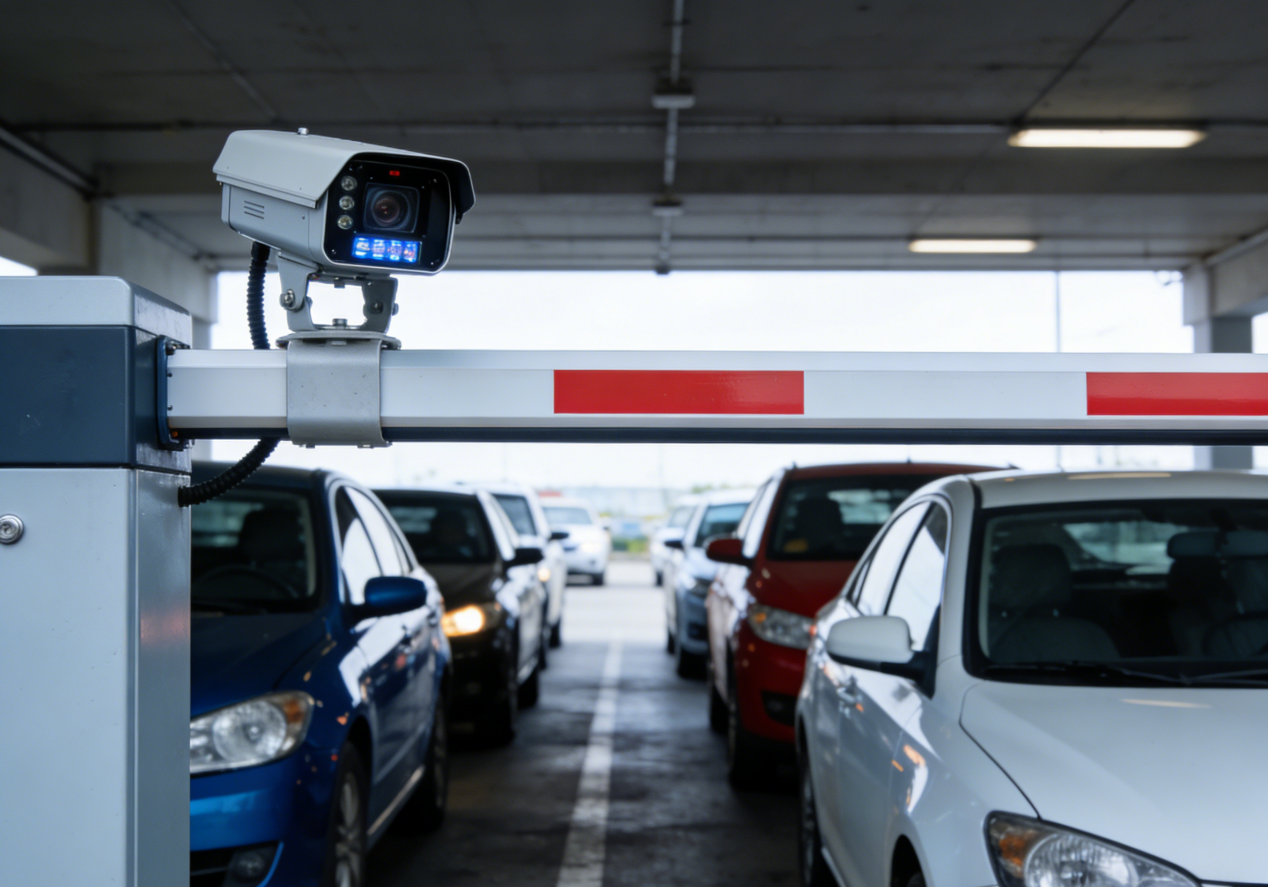
If you’ve ever waited at the entrance of a dim underground parking garage while the barrier refused to lift, or had to reverse in heavy rain because your license plate was misread, you’ve experienced the “blind spots” of traditional parking systems firsthand.
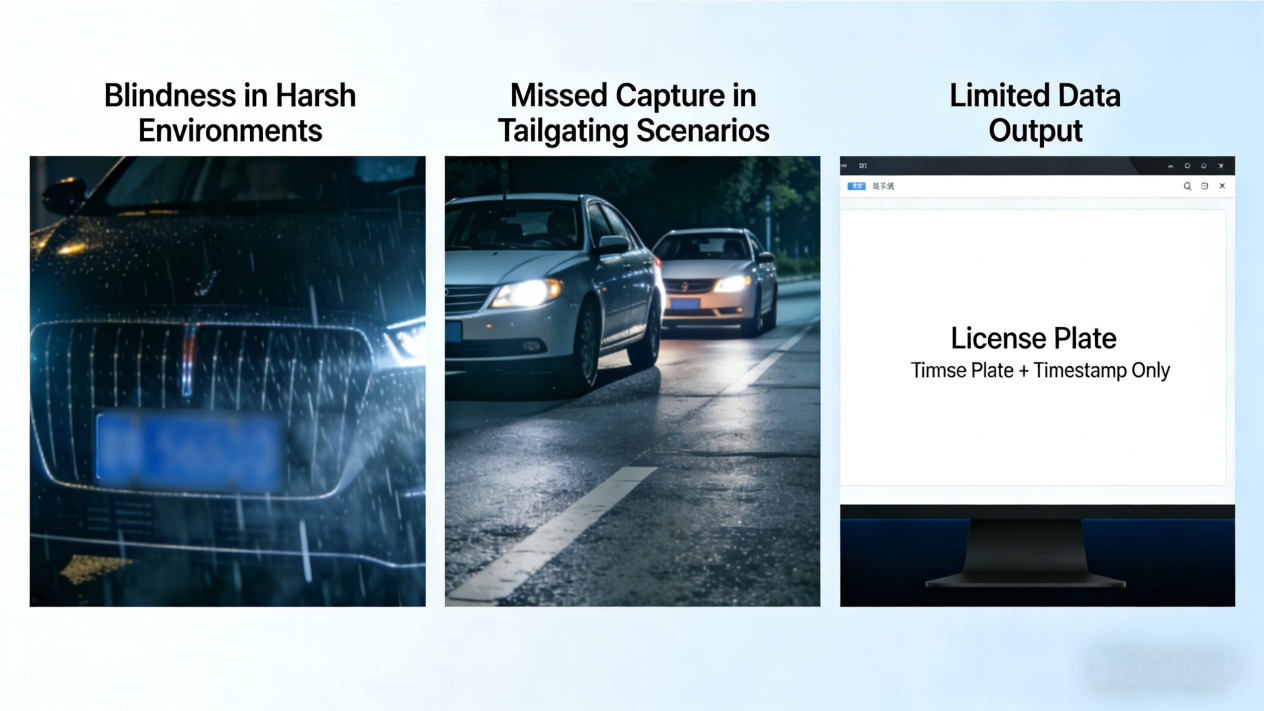
According to recent industry insights, parking management today faces three major challenges:
1.1 “Blindness” in Harsh Environments
Rain and fog, extremely low-light nighttime conditions, and strong backlighting can all result in blurred images and reduced signal-to-noise ratio in conventional cameras.
To compensate, many parking facilities install high-power strobe lights. This not only causes light pollution but can also pose safety risks to drivers.
1.2 Limited Recognition Angles
Traditional cameras have restricted fields of view. On curved roads or in lanes with short depth, vehicles are easily missed.
In extreme tailgating situations (for example, with only 40 cm between vehicles), it becomes difficult to correctly associate front and rear license plates. Special vehicle types such as trailers may not be captured accurately at all.
This leaves room for fee evasion tactics such as plate swapping or tailgating through barriers.
1.3 Limited Data Value
Most systems only output basic information such as the license plate number and entry/exit time.
They are unable to perform real-time analysis of events inside the parking lot, such as illegal parking detection, lane congestion monitoring, or collision tracing. Nor can they provide drivers with precise navigation to available parking spaces.
2. True “Intelligence” Comes from Edge Computing and an Open Ecosystem
Addressing these pain points requires more than simply improving image quality. Once hardware stability is ensured, real differentiation comes from algorithms.
Different parking facilities face different environmental challenges. Some deal with frequent rain and fog; others struggle with strong backlight. Some need to recognize new energy vehicle green plates, while others must support dual plates from Hong Kong and Macau.
Fixed-function, off-the-shelf cameras cannot be optimized for such specific scenarios. This is where the value of an open platform becomes clear.
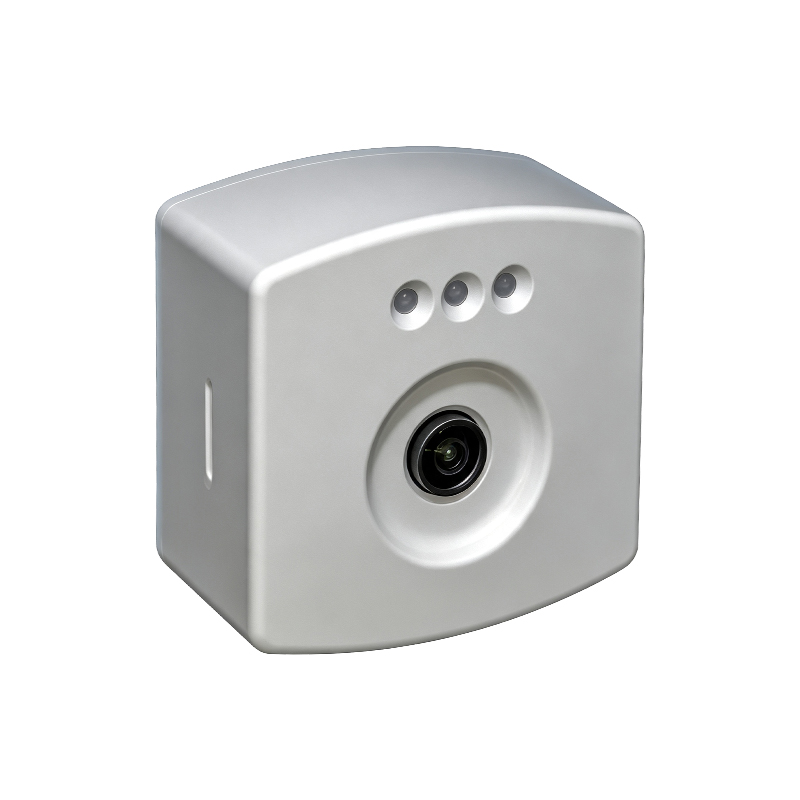
This is precisely the core positioning of the NeoCAM AI camera. What we provide is not just a camera, but a highly customizable AI computing platform.
2.1 Powerful Edge Computing Performance
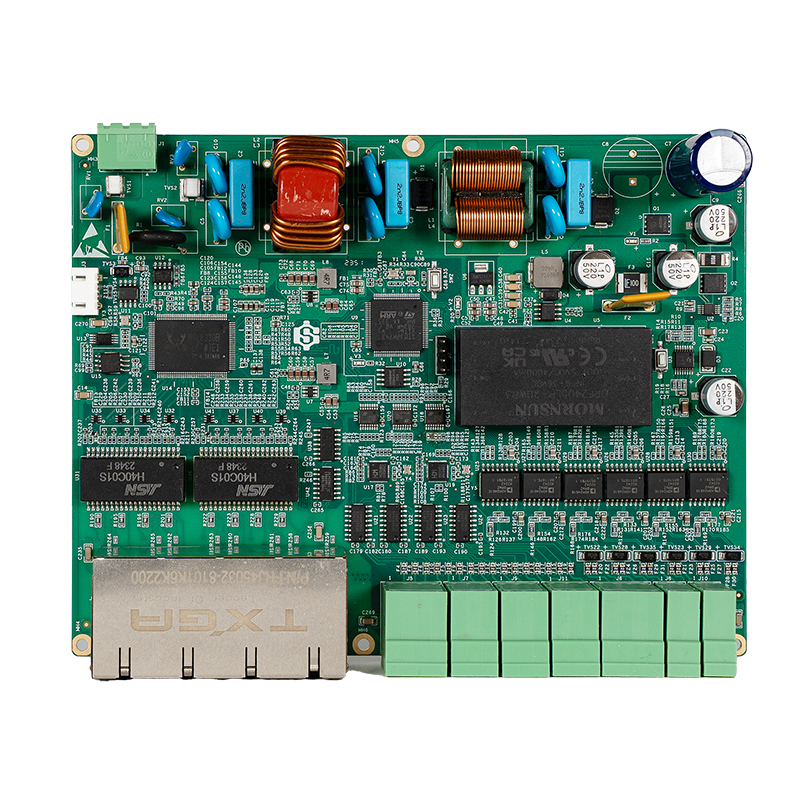
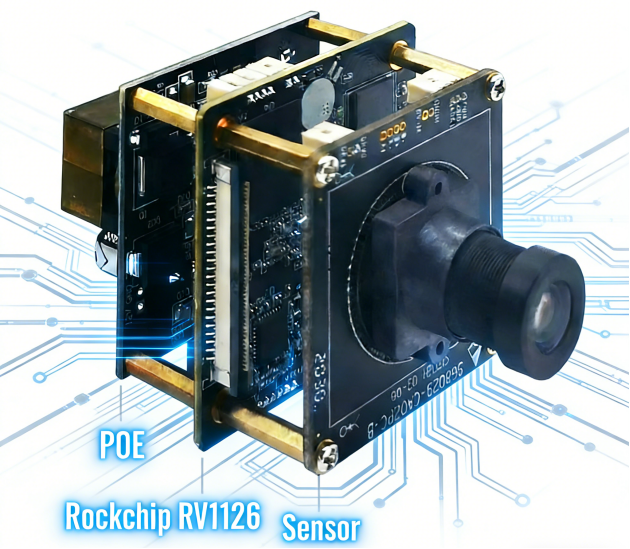
NeoCAM integrates 2.0 TOPS of AI computing power, fully capable of supporting real-time inference for complex models such as license plate recognition, face detection, and vehicle attribute analysis.
Data can be structured and processed directly at the camera edge, without relying on cloud servers.
2.2 Hardware Designed for Extreme Environments
Parking facilities commonly operate in environments ranging from -10°C to 50°C. NeoCAM is engineered to handle these conditions, with 4KV lightning protection on network ports to ensure long-term stability.
For nighttime scenarios requiring infrared fill light, its well-designed sensor interfaces make it easy to integrate photoelectric sensing components.
2.3 Open SDK and Algorithm Porting Ecosystem
This is the key advantage that differentiates NeoCAM from rigid, closed commercial cameras.
Many parking solution providers have developed their own optimized algorithms for specific regional license plates (such as new energy green plates or Hong Kong–Macau dual plates), but are often restricted by hardware lock-in.
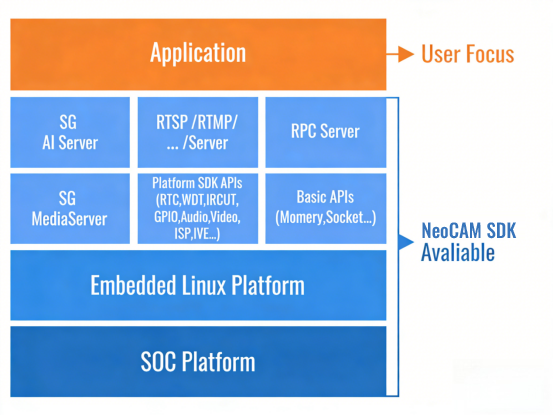
NeoCAM AI camera provides a complete SDK and development guidance, allowing customers to port their own algorithms directly onto the camera.
Whether it is customized vehicle attribute analysis (plate number, vehicle type, color, etc.) or violation detection in industrial parks, developers can rapidly deploy and continuously iterate their algorithms on the NeoCAM hardware platform.
3. Three Key Evolution Trends in Future Parking Systems
Based on industry trends, smart parking systems are expected to evolve in the following three directions:
3.1 End–Edge–Cloud Collaborative Architecture
Front-end cameras will be responsible for data capture and recognition. Edge-side hosts will handle multi-source data fusion, such as radar and vision integration. The cloud will take charge of global scheduling and big data analytics — for example, predicting weekend traffic peaks and allocating resources in advance.
3.2 From Vehicle-Level to Full-Site Intelligence
AI monitoring will no longer be limited to entrance and exit barriers.
Wrong-way driving, illegal occupation of fire lanes, hazardous vehicle violations, and even smoke or fire warnings inside parking facilities will all be managed by a unified vision system.
This marks a transition from manual monitoring to intelligent prevention.
3.3 Platformization and Openness
Hardware is becoming standardized, while software is becoming increasingly personalized.
Platform-based products like NeoCAM will serve as fertile ground for AI algorithm companies. Hardware manufacturers focus on delivering stable power supply, thermal design, image acquisition, and foundational computing power, while diverse algorithm applications are developed by specialists who deeply understand real-world scenarios.
4. Conclusion
Although a parking lot may seem small, it offers a window into the future intelligence density of cities.
Through this window, we see not only technological advancement, but also a shift in collaboration models.
The NeoCAM AI camera is designed to embrace this transformation. Powered by the RV1126B core and refined image processing capabilities, it provides a reliable carrier for algorithm deployment. More importantly, with its open platform and comprehensive development support, it enables developers to rapidly deploy their own algorithms — allowing systems not only to “see,” but to truly understand and solve deeper operational challenges.
If you are looking for a hardware platform that can genuinely support your proprietary algorithms, or if you need a stable, high-performance AI computing carrier for your parking solutions, feel free to contact us to obtain the NeoCAM AI Camera Development Guide and detailed hardware specifications.