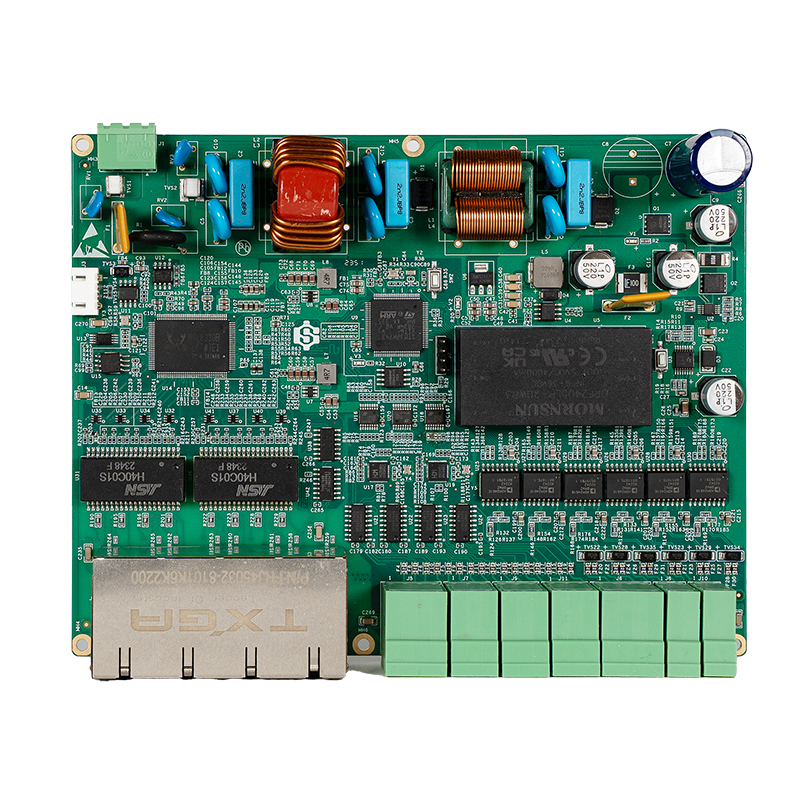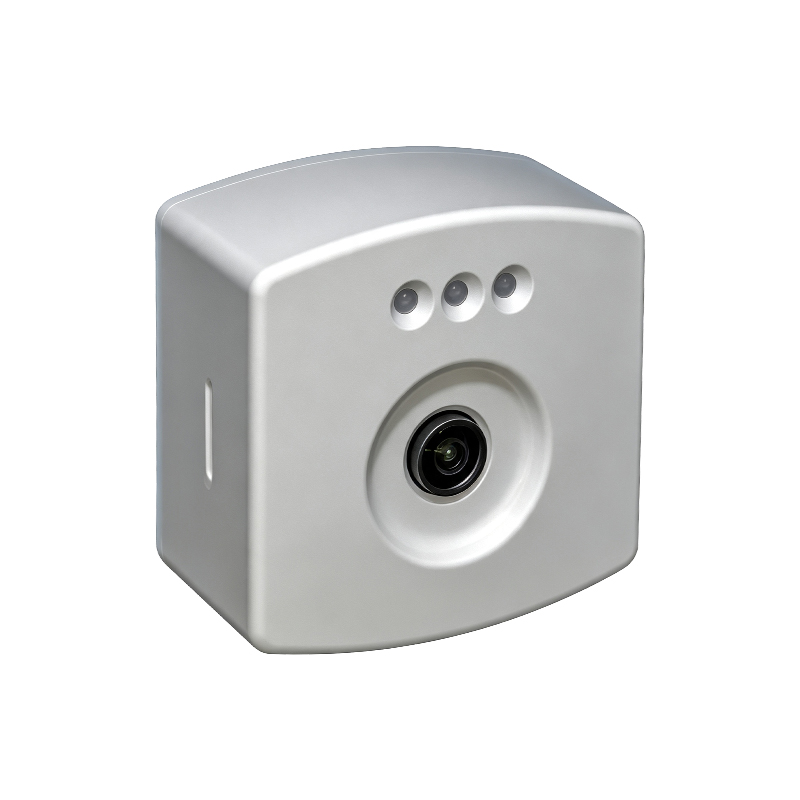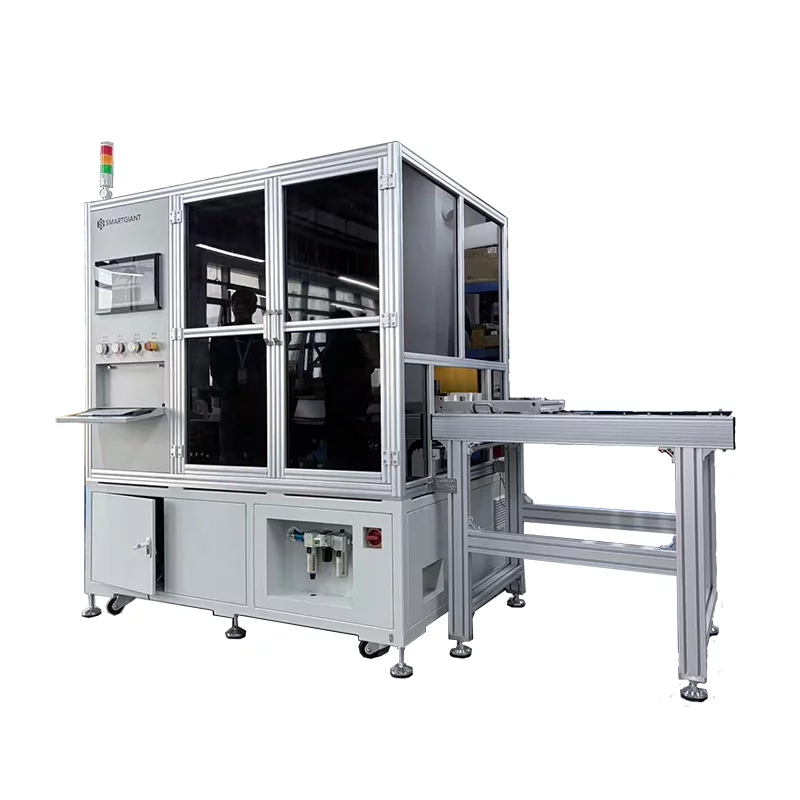


The Rockchip RV1126B is a dedicated processing chip designed for edge vision applications. Featuring low power consumption, an integrated AI-ISP, dual MIPI-CSI interfaces, and on-device AI computing power, it supports the development of various camera products—including conventional surveillance, dual-spectrum, and multi-camera vision systems. With customized designs, it meets the specific deployment requirements of specialized cameras across diverse industries.
Core Hardware Features of RV1126B
The RV1126B features a quad-core Cortex-A53 architecture with an integrated dedicated NPU and image processing unit. It incorporates dual MIPI-CSI interfaces, supporting a single-channel connection for up to 12-megapixel sensors and simultaneous input from multiple image sensors with a maximum resolution of 8-megapixels. For video encoding, it supports both H.265 and H.264 formats, enabling ultra-high-definition video recording at 8-megapixel resolution and 45 fps, along with dynamic bitrate optimization to significantly reduce video data volume and storage requirements. Additionally, the chip offers GPIO/PWM control capabilities for precise external module integration, combined with a low-power architecture designed for long-term operation in outdoor environments without continuous power supply.
The NPU chip delivers 3 TOPS INT8 computing power, enabling independent AI inference operations on the device side without cloud dependency. It handles both image processing and video encoding efficiently without requiring additional computing chips, demonstrating exceptional hardware integration and energy efficiency.
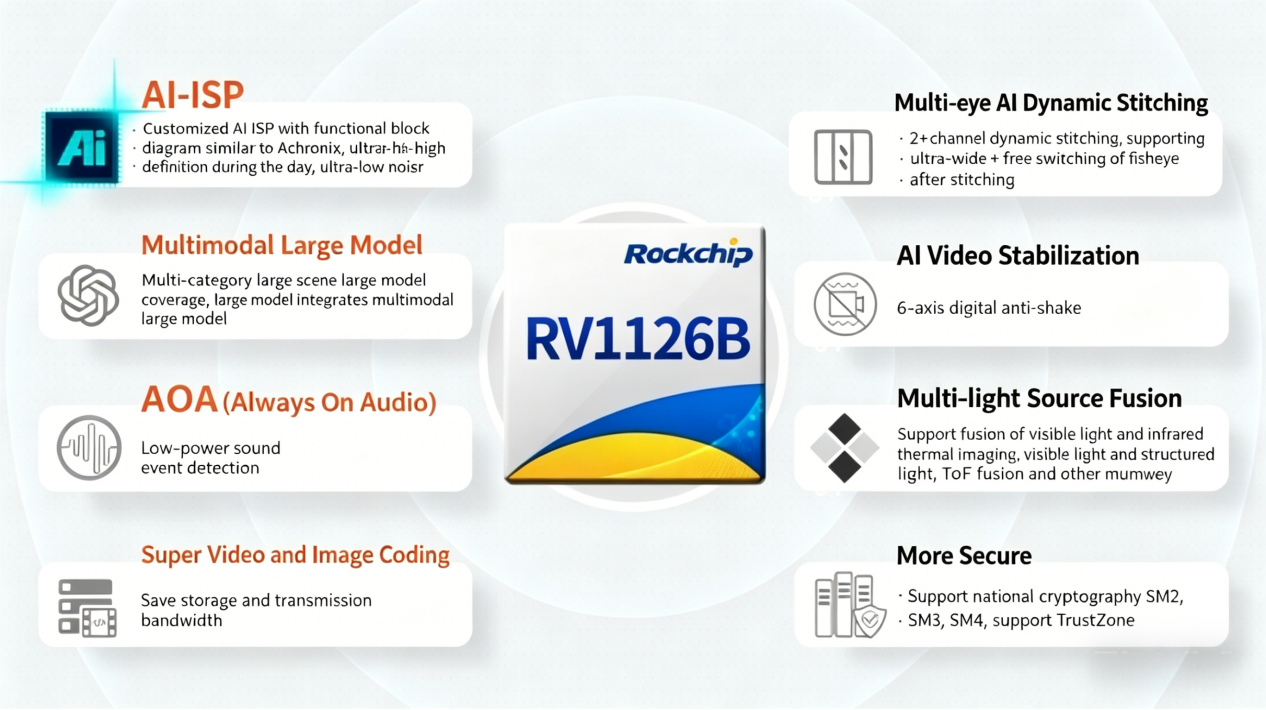
Figure 1: Performance Characteristics of RV1126B
RV1126B End-Side AI Capability
The 3TOPS computing power is key to enabling the RV1126B’s intelligent vision capabilities, meeting the requirements for lightweight AI algorithm deployment on edge cameras.
- At 1080P resolution, the system stably executes algorithms such as target detection, human/vehicle recognition, and area intrusion detection, ensuring both real-time performance and high recognition accuracy.
- It synchronously performs image enhancement, distortion correction, and AI encoding optimization without consuming excessive resources from the main processor.
- It supports lightweight model deployment and adapts to scenario-specific AI functions such as thermal imaging temperature anomaly detection, binocular ranging algorithm inference, and behavior analysis, meeting the edge intelligence requirements of industrial and security applications.
RV1126B Mainstream Camera Design
- Conventional intelligent surveillance camera
The RV1126B directly drives visible-light image sensors, leveraging its built-in ISP to deliver low-light enhancement and wide dynamic range adjustment, meeting all-weather monitoring requirements for both indoor and outdoor environments.The chip supports high-efficiency video coding, which optimizes bitstream and storage usage. It is equipped with basic intelligent functions such as region detection and loitering alarm.. Ideal for conventional security monitoring applications like campuses, commercial spaces, and construction sites, it offers a cost-effective main control solution for surveillance cameras.
- Dual-spectrum camera
A dual-spectrum camera is an optical instrument that integrates visible and infrared spectral imaging technologies. Its core advantage lies in enabling precise monitoring under all weather conditions and across diverse scenarios through dual-spectrum fusion. Compared to traditional single-spectrum cameras, it captures information from both the visible and infrared bands simultaneously, overcoming the limitations of single-spectrum imaging and making it suitable for complex environments requiring high adaptability.
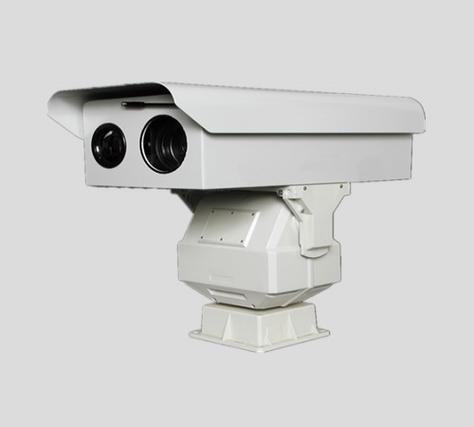
Figure 2: Dual-spectrum camera
- Infrared laser illumination dual-spectrum camera
In the industry, dual-spectrum cameras are specialized models combining visible-light imaging with infrared laser illumination, primarily designed for harsh environments such as complete darkness, long distances, and rainy or foggy conditions. The laser illumination compensates for the limitations of conventional infrared illumination—short range and blurry image quality. The successful deployment of these models relies heavily on the core technologies of the RV1126B.
- The RV1126B utilizes its built-in GPIO/PWM control capabilities to precisely regulate the on/off state, brightness levels, and trigger timing of the laser fill light module, ensuring synchronized image and fill light output while eliminating delays or misalignment. Additionally, it is compatible with various automatic zoom lenses.
- Leveraging its built-in standalone AI-ISP, the system sharpens, noise-reduces, suppresses bright light, and optimizes contrast of images under laser illumination, effectively addressing overexposure caused by direct laser exposure and significantly enhancing long-distance imaging clarity.
- By leveraging the 3TOPS edge-side AI computing power, the system enables synchronized lighting enhancement for human and vehicle detection: supplementary lighting automatically activates when people or vehicles enter the monitored area and turns off when unoccupied, thereby reducing both device power consumption and light pollution.
- The chip’s low-power operating architecture supports a standby wake-up mode, enabling long-term deployment in scenarios without continuous power supply such as field operations and border areas. It is ideal for outdoor long-distance security systems, border surveillance, and remote duty applications.
- Thermal imaging dual-spectrum camera
Thermal imaging dual-spectrum cameras integrate visible light and infrared thermal imaging sensors, with their core technology combining temperature distribution with real-world imagery. Leveraging dual MIPI-CSI interfaces, the RV1126B enables real-time alignment and fusion of images from both sensors, processing thermal imaging data at 640×512 resolution. Powered by NPU computing power, it performs temperature acquisition, overheating alarms, and anomaly point marking, making it ideal for critical temperature detection applications such as power line inspections, equipment temperature monitoring, and forest fire prevention.
- Multi-eye visual camera
With its dual MIPI-CSI interfaces, the RV1126B supports simultaneous integration of binocular/multi-camera systems, enabling functions such as binocular ranging, panoramic stitching, and 3D visual recognition. This solution is applicable in scenarios including security panoramic surveillance, robotic vision systems, automotive surround-view assistance, and industrial 3D inspection. The chip processes multi-channel image data concurrently and performs 3D matching and target spatial localization through the NPU, ensuring synchronized video output with minimal latency.
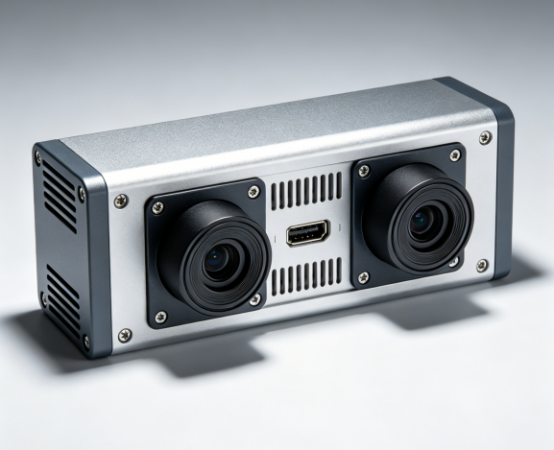
Figure 3: Binocular camera
Customization Based on RV1126B
Smartgaint Technology has launched the NeoCAM camera module based on the RV1126B chip. Featuring a standard 38-chipboard design, the module can be flexibly paired with mainstream sensors such as the Sony IMX series, supports POE power supply and data transmission, and offers rapid compatibility with mainstream commercial module housings available on the market.
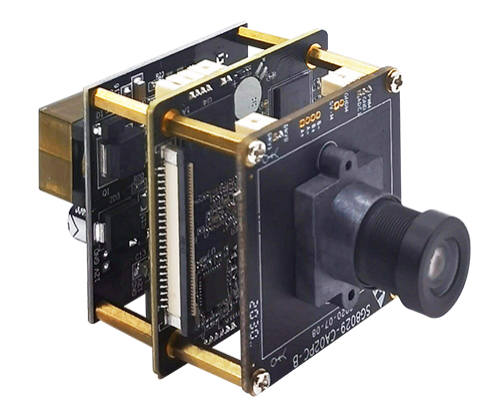
Figure 4: NeoCAM camera module
The RV1126B demonstrates high openness in sensor adaptation, interface configuration, and power consumption control, providing a robust hardware foundation for customized development of specialized cameras. Smartgaint offers end-to-end customized services for RV1126B-based cameras, spanning hardware selection, solution design, PCB design and fabrication, housing mold development, firmware development, sample verification, and mass production. These services enable rapid customization of appearance and sample delivery, meeting diverse industry needs—from small-batch customization to large-scale production—and help customers shorten product development cycles while reducing in-house R&D costs.
Conclusion
As industry demands for specialized visual cameras become increasingly sophisticated, the RV1126B, with its highly open hardware platform, offers extensive customization potential across security surveillance, industrial inspection, power operation and maintenance, and smart device applications, enabling rapid deployment of camera solutions in diverse vertical scenarios. Combined with Smartgaint’s comprehensive customization capabilities, this platform has emerged as the preferred solution for enterprises implementing camera projects.